
The best time to travel in China to observe festivals is during the late winter for the Lunar New Year (January or February) and autumn for the Mid-Autumn Festival (September or October). These seasons host China's most significant cultural celebrations, offering travelers an immersive look into ancient traditions and vibrant local customs.
Traveling to China is a journey through millennia of history, but timing your visit to coincide with a traditional festival elevates the experience from a standard vacation to a deep cultural immersion. Because most traditional Chinese festivals are based on the lunar calendar, the dates shift every year on the Gregorian calendar. Planning requires a bit of foresight, but the reward of seeing city streets lined with red lanterns or rivers filled with dragon boats is well worth the effort. For those looking to explore the heart of the Middle Kingdom, understanding these cycles is the first step toward a perfect itinerary.
What is the best time to travel in China for festivals?
To see the most iconic celebrations, the best time to visit is during the Spring Festival (Lunar New Year) and the Mid-Autumn Festival . If you prefer milder weather, the Mid-Autumn Festival in late September or early October is ideal, as the summer heat has faded and the air is crisp. However, for sheer spectacle, nothing beats the Lunar New Year, despite the cold.
When choosing your dates, you must weigh the cultural value against the logistical challenges. Festival times are peak travel periods within China. Millions of people return to their hometowns, which can make booking domestic flights and high-speed trains difficult if not planned months in advance. To navigate these complexities, many travelers opt for China Travel and Tours that handle the logistics, ensuring you can focus on the festivities rather than the ticket lines.
Experiencing the Magic of the Lunar New Year
The Spring Festival, or Lunar New Year, is the most important holiday in the Chinese calendar. It marks the beginning of the lunar year and the arrival of spring. In 2026, the Year of the Horse begins on February 17th. Traveling during this window allows you to witness the "Chunyun," the largest annual human migration on earth, as families reunite for the "Reunion Dinner."
Visitors during this time can expect:
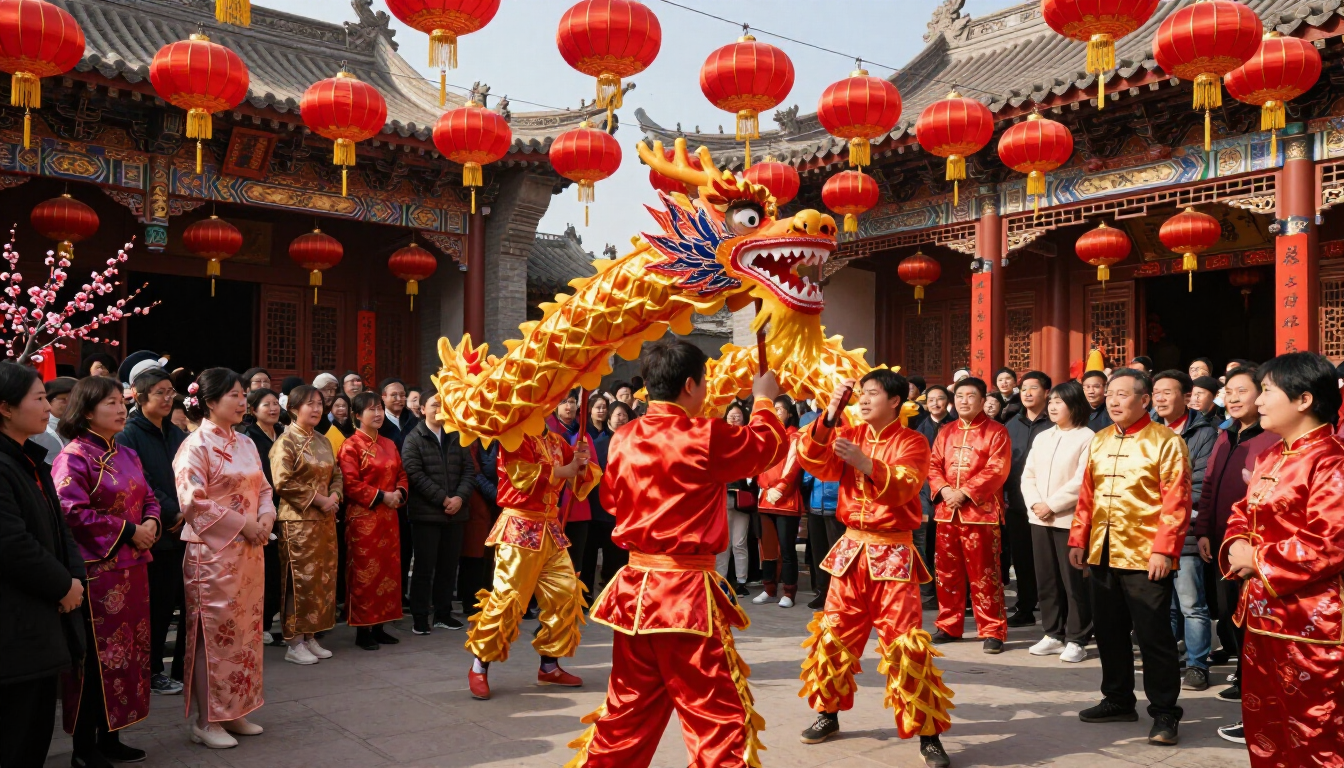
- Temple Fairs: Particularly in Beijing, these fairs feature traditional snacks, folk art, and performances like lion and dragon dances.
- Red Decorations: Cities are transformed with red lanterns, couplets, and paper-cuts symbolizing good luck.
- Fireworks and Firecrackers: While many major cities have restricted fireworks for safety, the atmosphere remains electric with communal celebrations.
- Traditional Foods: You will find dumplings (Jiaozi) in the north and sticky rice cakes (Niangao) in the south, both symbolizing prosperity.
Because this is a massive family holiday, many smaller shops and restaurants may close for 3–7 days. However, major tourist sites remain open, and the lack of business commuters can make some city centers feel surprisingly quiet compared to their usual bustle. For a comprehensive look at the country's highlights during this vibrant season, consider a China Classic Tour .
When is the Lantern Festival and what happens?
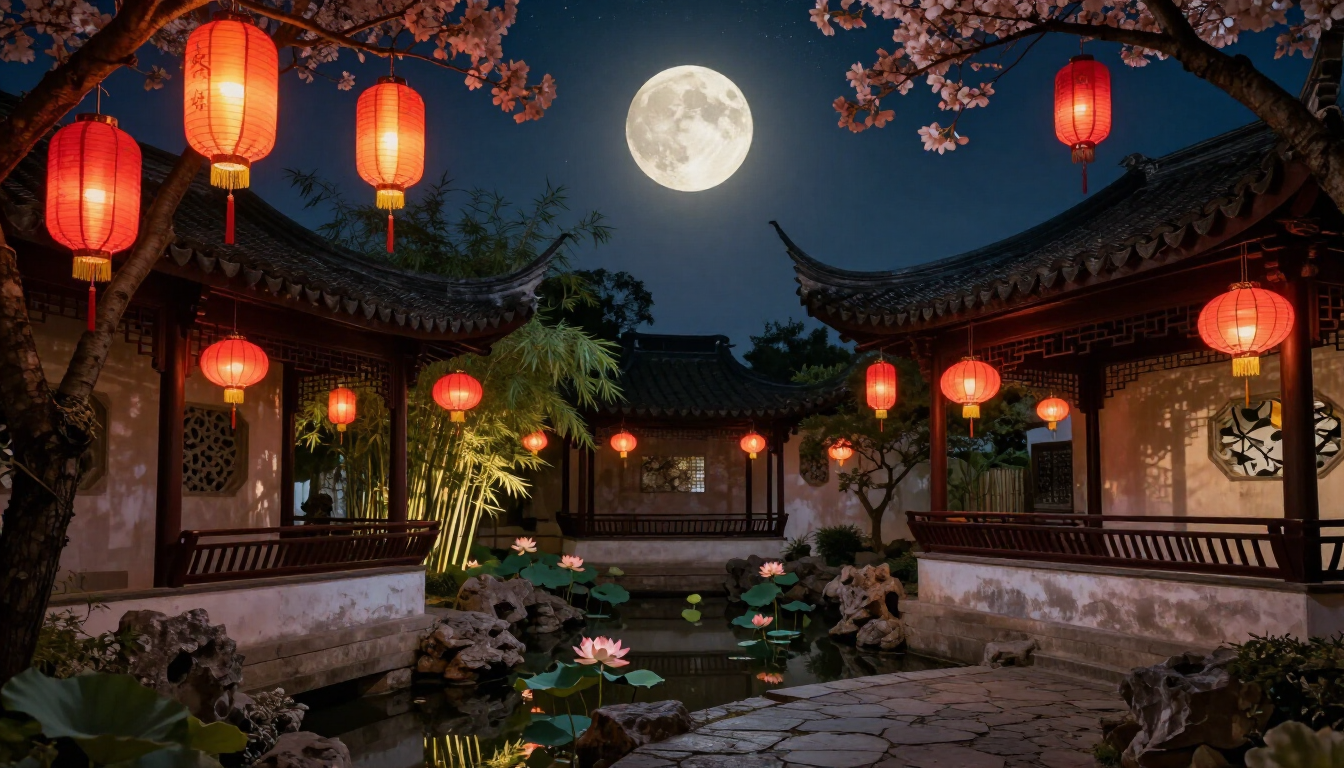
The Lantern Festival marks the official end of the Spring Festival celebrations. It occurs on the 15th day of the first lunar month (March 3rd in 2026). This is a night for families to stroll under the full moon, admiring elaborate lantern displays that range from traditional globes to high-tech animated structures shaped like animals and mythical figures.
In cities like Xi'an and Nanjing, the city walls are often draped in massive light installations. A key tradition is solving riddles written on lanterns; if you solve one, you might even get a small prize. The signature food of this festival is Tangyuan , sweet glutinous rice balls filled with sesame or peanut paste, representing family unity and togetherness. This festival is significantly less crowded for international travel than the New Year itself, making it a fantastic alternative for those wanting a cultural experience without the peak-season travel rush.
Observing Tradition During the Qingming Festival
Occurring on April 4th or 5th, the Qingming Festival (Tomb-Sweeping Day) is a time for paying respects to ancestors. However, it is also a celebration of the arrival of spring, known as "Taqu" (stepping on the green). It is a popular time for hiking and kite flying. For travelers, this is one of the most beautiful times to visit rural areas.
The landscape is beginning to bloom, particularly in the southern regions. If you are interested in nature and photography, the Guilin and Yunnan China Tour Spring 2026 perfectly aligns with this seasonal shift. You will see locals heading to the countryside, and the tea harvest (Pre-Qingming tea) is in full swing, offering some of the rarest and most expensive green teas in the world.
Why is the Dragon Boat Festival so popular?
The Dragon Boat Festival (Duanwu Festival) usually falls in June. It commemorates the ancient poet Qu Yuan and is famous for its high-energy boat races. These races involve long, narrow boats decorated with dragon heads and tails, powered by teams of rowers to the beat of a drum.
Key highlights for travelers include:
- Boat Races: Best viewed in southern China (Guangdong, Fujian) and along the Yangtze River.
- Zongzi: Glutinous rice dumplings wrapped in bamboo or reed leaves, stuffed with savory or sweet fillings.
- Health Customs: Traditional practices like hanging calamus and wormwood on doors to ward off evil and disease are still observed in many villages.
- Boat Races: Best viewed in southern China (Guangdong, Fujian) and along the Yangtze River.
- Zongzi: Glutinous rice dumplings wrapped in bamboo or reed leaves, stuffed with savory or sweet fillings.
- Health Customs: Traditional practices like hanging calamus and wormwood on doors to ward off evil and disease are still observed in many villages.
This festival usually results in a three-day public holiday. While popular, it is often hot and humid in the south during this time, so travelers should prepare for the early summer heat.
How do locals celebrate the Mid-Autumn Festival?
Second only to the Lunar New Year in importance, the Mid-Autumn Festival (Moon Festival) falls on the 15th day of the 8th lunar month (September 25th in 2026). It is a harvest festival focused on the full moon, family, and the legend of the moon goddess, Chang'e.
The most famous aspect is the Mooncake . These dense pastries are filled with everything from traditional lotus seed paste to modern ice cream or chocolate versions. During this time, the weather in most of China is spectacular—mild, dry, and clear, making it perhaps the most comfortable time for a China Travel and Tours package. In the evenings, parks are filled with families viewing the moon, and in some regions, fire dragon dances or floating lanterns on water are common sights.
Essential Tips for Festival Travel in China
Planning a trip around these events requires a different strategy than a standard tour. Here are a few essential tips to ensure a smooth journey:
- Book Early: Aim to book international flights and domestic transport at least 3-6 months in advance.
- Stay Flexible: Expect crowds at major attractions like the Great Wall or the Forbidden City. If a site is too busy, look for local neighborhoods where the actual festival celebrations are happening.
- Learn the Lore: Understanding the stories behind the festivals—like why people wear red for the New Year—will make the visual elements much more meaningful.
- Protect Your Trip: With large-scale travel during holidays, delays can happen. Ensure you have comprehensive Travel Insurance to cover any unexpected changes.
- Hire a Guide: Local guides can help you find the best viewing spots for parades or races that aren't always publicized in English media.
Should you travel during the Golden Week holidays?
China has two "Golden Weeks": the National Day holiday (starting October 1st) and the Spring Festival week. These are times when almost the entire country is on holiday. While the atmosphere is celebratory, these are the busiest travel weeks of the year. If you enjoy crowds and a festive, high-energy environment, it’s an incredible time to be in China. If you prefer a quieter experience, try to schedule your visit for the weeks immediately following these holidays.
For many, the National Day holiday is an excellent time to see modern Chinese pride, with massive flower displays in Tiananmen Square and light shows in Shanghai. However, for a more traditional cultural focus, the lunar-based festivals are usually more rewarding. If you have questions about which dates work best for your specific interests, don't hesitate to Contact Us for personalized advice.
Summary of Best Times for China Festivals
To wrap up, your choice of when to visit China for festivals should align with your tolerance for weather and crowds.
- For the ultimate spectacle: Choose the Lunar New Year (January/February).
- For the best weather and family atmosphere: Choose the Mid-Autumn Festival (September/October).
- For high energy and sport: Choose the Dragon Boat Festival (June).
- For nature and tea culture: Choose the Qingming Festival (April).
By timing your trip with these ancient traditions, you gain a unique perspective on the Chinese way of life that goes far beyond the typical tourist path. Whether you are eating dumplings with a local family or cheering on a dragon boat team, these moments will be the highlight of your travels. Start planning today to ensure you don't miss out on the cultural magic of 2026.