Tokat Turkey is an excellent destination for foodies who want regional Turkish cuisine, historic towns, and nature in one journey. Start with Tokat kebab and local pastries, then taste Zile pekmezi and Niksar walnuts. Add Ballıca Cave National Park, traditional markets, and welcoming family-run restaurants for a rich Central Anatolian experience.
Why should foodies visit Tokat Turkey?
Tokat sits in northern-central Turkey, between the Black Sea region and the interior of Anatolia. Its cuisine reflects that geography: fertile valleys, mountain herbs, orchard fruit, vineyards, grains, dairy, and carefully preserved ingredients all appear on local tables.
The area is especially appealing for travelers who prefer food experiences connected to place. Instead of finding the same dishes everywhere, you can sample recipes and products associated with Tokat, Zile, and Niksar. Markets, bakeries, village restaurants, and home-style lokantas often provide the most memorable tastes.
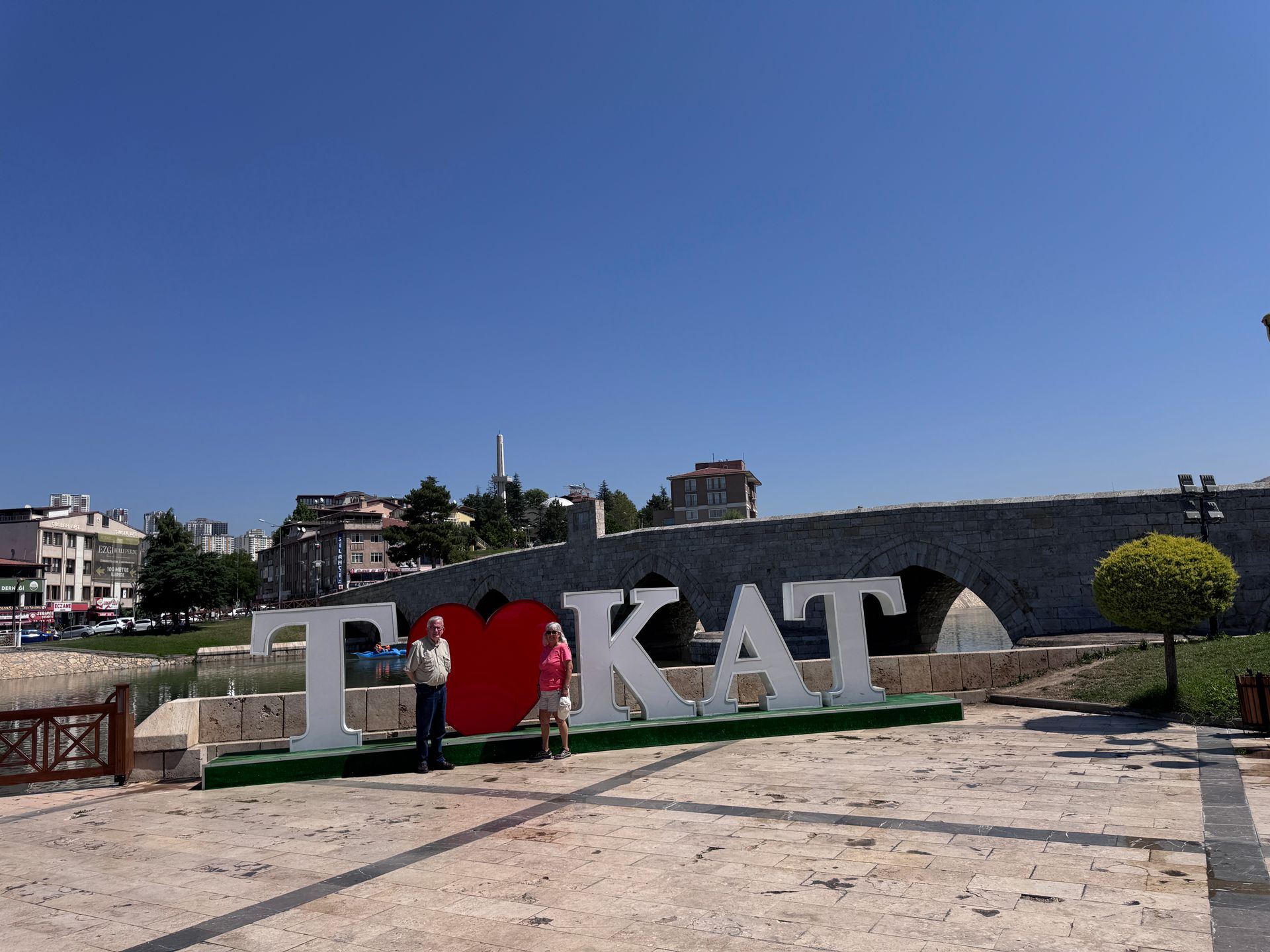
Tokat is also a practical addition to a broader Turkey travel itinerary . The region combines food, Ottoman and Seljuk heritage, cave scenery, small-town exploration, and countryside drives without the crowds found in Turkey’s largest destinations.
What food is Tokat Turkey known for?
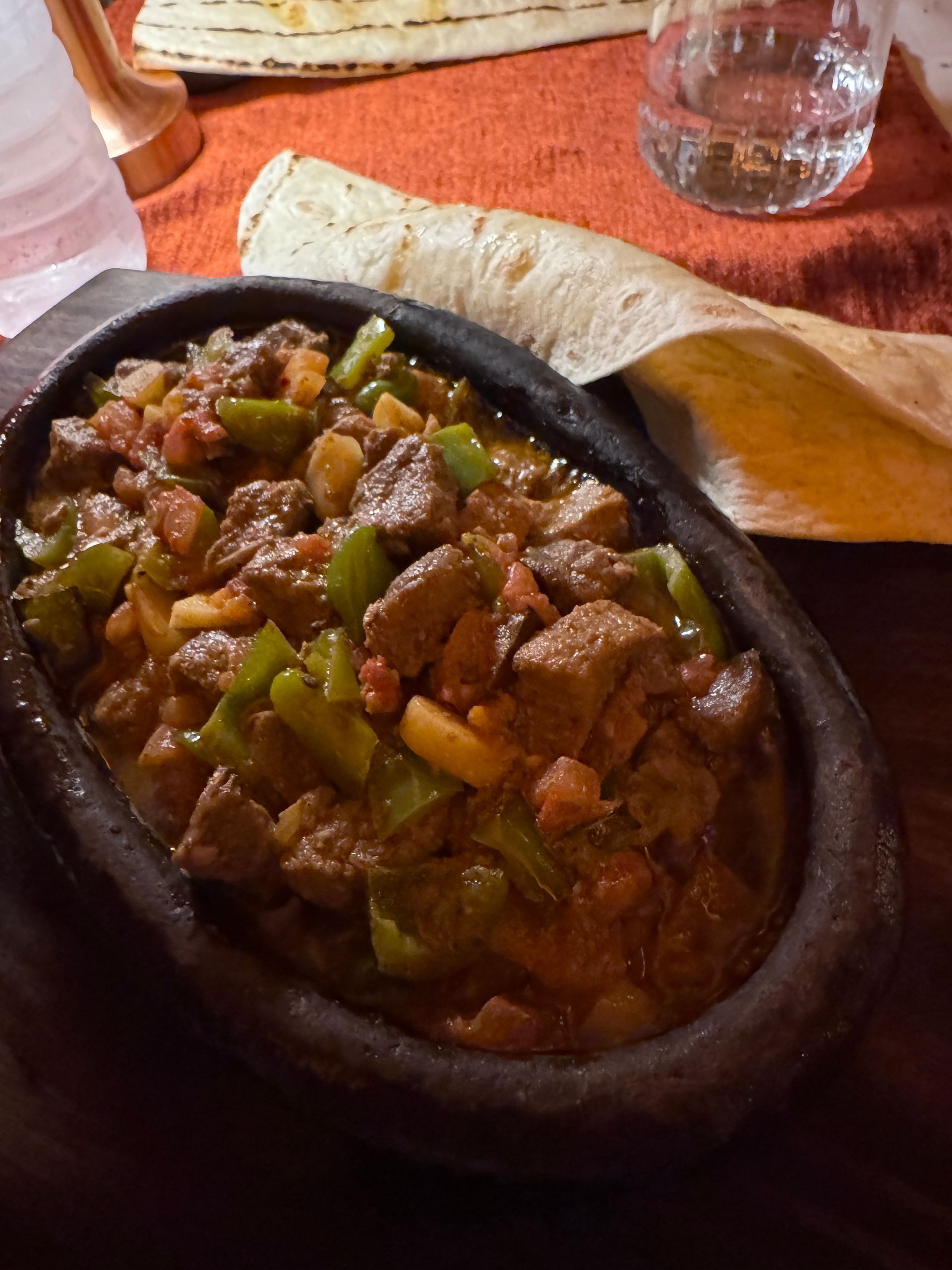
The signature dish is Tokat kebab, a substantial oven-cooked meal traditionally prepared with lamb or another tender meat, potatoes, eggplant, tomatoes, peppers, and garlic. Ingredients are arranged so their juices blend during cooking. The result is comforting, aromatic, and very different from a quick grilled kebab.
Other foods and ingredients worth seeking include:
- Tokat kebab: Look for a traditional presentation cooked in a wood-fired oven or a deep tray.
- Yaprak sarma: Grape leaves are filled with rice, herbs, and sometimes meat, creating a dish that may be served warm or at room temperature.
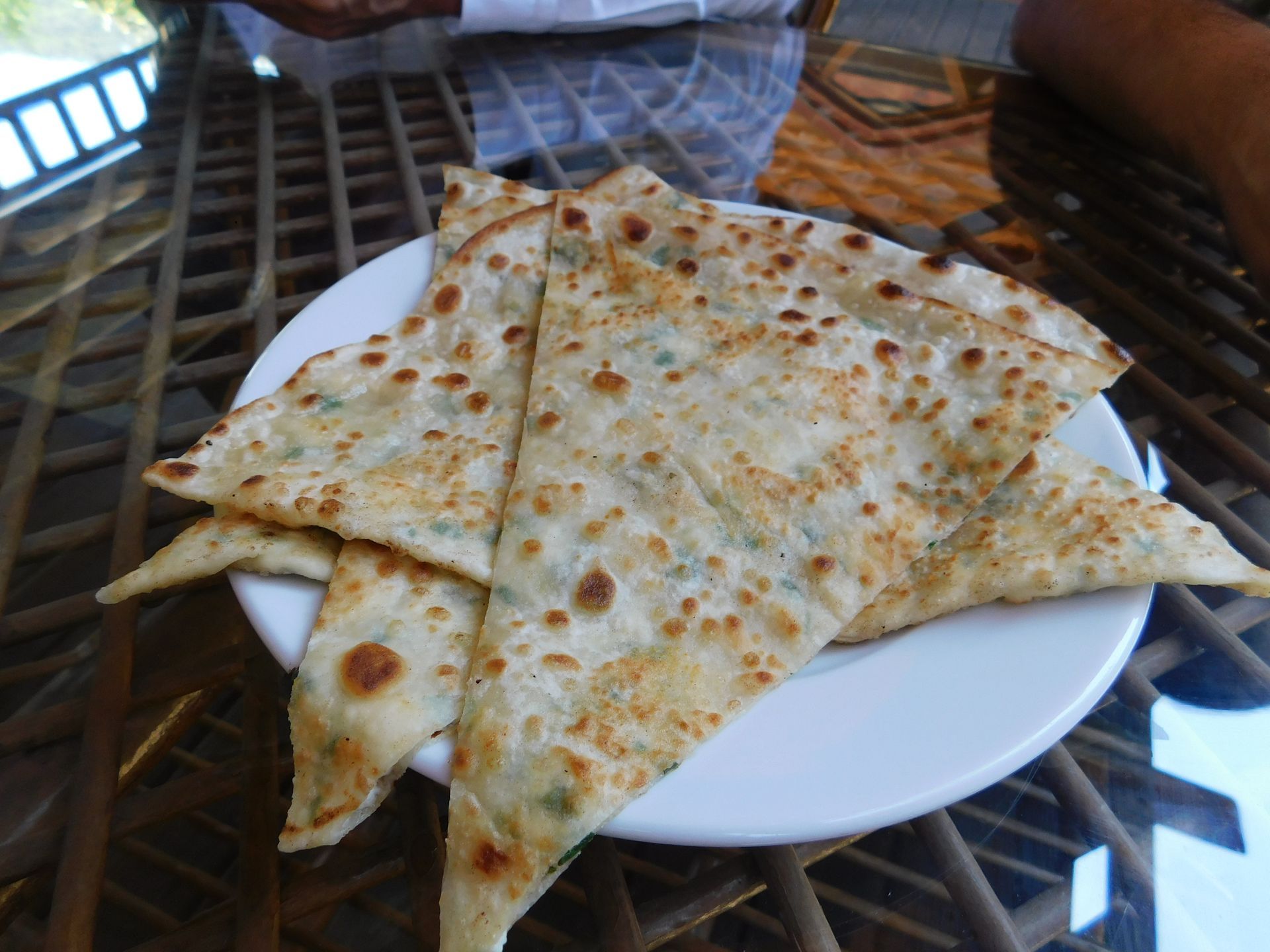
- Tokat çöreği: This regional pastry is often enjoyed with tea, breakfast, or a light snack.
- Pekmez and fruit preserves: Grape molasses and preserved fruits reflect the region’s vineyards and orchards.
- Niksar walnuts: Buy them fresh from a reputable market or producer and try them with cheese, honey, or pastries.
Menus vary by season and restaurant, so ask what was prepared that day. A simple question such as “Bugün ne taze?”—what is fresh today?—can lead to a better meal than ordering only familiar dishes.
How is Tokat kebab traditionally served?
Turkish Beef Stew
Eggplant Soup
Tokat Kebab
Tomato, cucumber and corn salad
Turkish Breakfast
Eggplant and meatballs
Cheese pide
Chicken Kebab
Tokat kebab is generally served hot and shared at the table. The meat and vegetables are cooked together, allowing the potatoes to absorb the juices while the tomatoes, peppers, and garlic add depth. In traditional settings, the dish may arrive in a heavy tray or a distinctive long serving vessel.
For the best experience:
- Order it when the restaurant is busy enough to maintain a fresh cooking cycle.
- Ask whether the restaurant uses lamb, beef, or another meat.
- Share one portion with the table alongside bread, salad, and yogurt.
- Save room for tea and a local sweet.
Because preparation takes time, Tokat kebab is not always an instant meal. That is part of its appeal: it is designed for an unhurried lunch or dinner rather than a rushed stop.
Where can travelers experience Tokat’s local food culture?
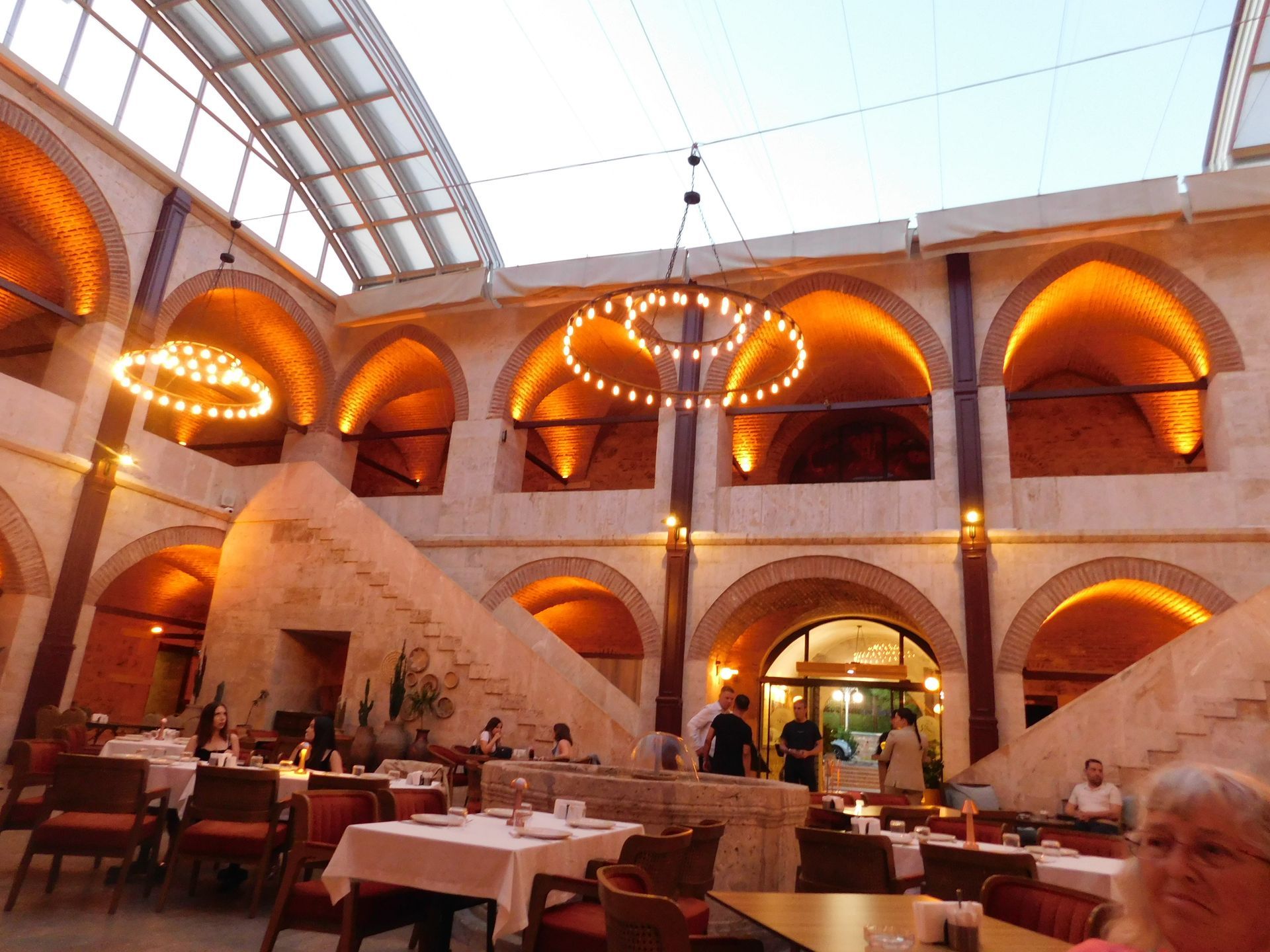
Begin in Tokat city, where bakeries, cafés, traditional restaurants, and markets make it easy to sample several specialties. Morning is ideal for bread, pastries, cheese, olives, and tea. Later in the day, seek a restaurant known for regional cooking rather than a generic menu aimed only at visitors.
The historic center is useful for combining sightseeing with food stops. Ask hotel staff, shopkeepers, or a local guide where families eat. Restaurant names and opening hours can change, while local recommendations often reveal small businesses that are not heavily promoted online.
A food-focused day could look like this:
- Breakfast with fresh bread, village cheese, olives, honey, and tea.
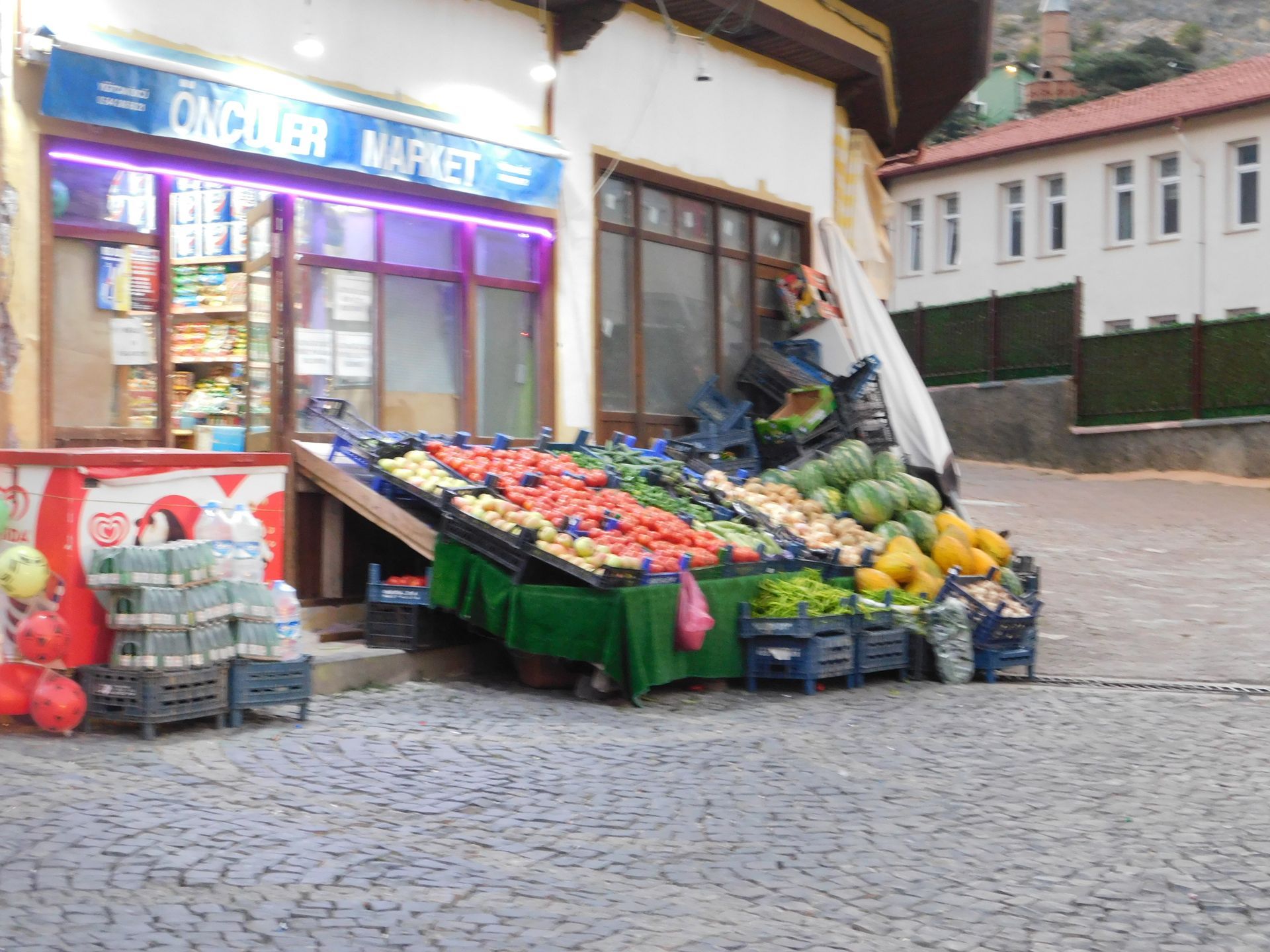
- A market visit for dried fruit, walnuts, spices, and grape products.
- Lunch featuring Tokat kebab or a seasonal home-style dish.
- Afternoon tea with Tokat çöreği or another local pastry.
- Dinner with stuffed vegetables, soup, salad, and a regional dessert.
If you want help combining Tokat with other Turkish destinations, explore our Turkey travel offerings or contact us about a private or group itinerary.
What should you see near Tokat besides restaurants?
Food is the focus, but Tokat’s surrounding attractions make the destination more rewarding. Plan time for Ballıca Cave National Park, Zile, and Niksar rather than treating the region as a single city stop.
Ballıca Cave National Park
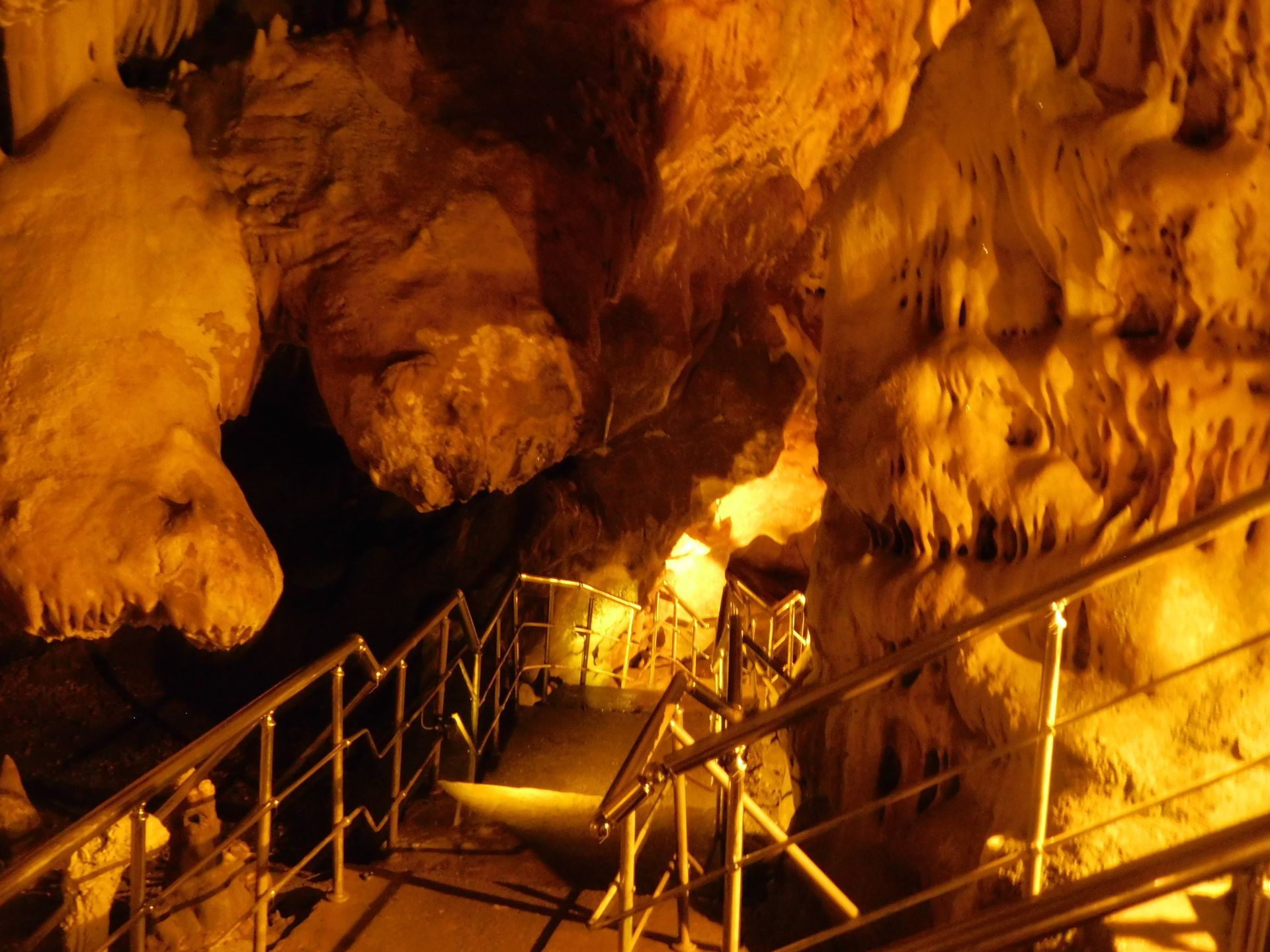
Ballıca Cave is one of the region’s most impressive natural attractions. Inside, visitors encounter a remarkable underground environment shaped by water and mineral deposits over a very long period. Stalactites, stalagmites, chambers, and unusual formations create a cool, atmospheric contrast to the outdoor landscape.
Wear comfortable shoes and bring a light layer, even in warm weather. Cave paths can be damp or uneven, and photography conditions may be dim. Follow posted rules, stay on marked routes, and avoid touching formations.
The surrounding national park also makes a pleasant break from urban sightseeing. Pack water, allow enough time for the drive, and check current access information before leaving Tokat. A visit to Discover Turkey can help you place Ballıca Cave within a larger regional route.
Zile
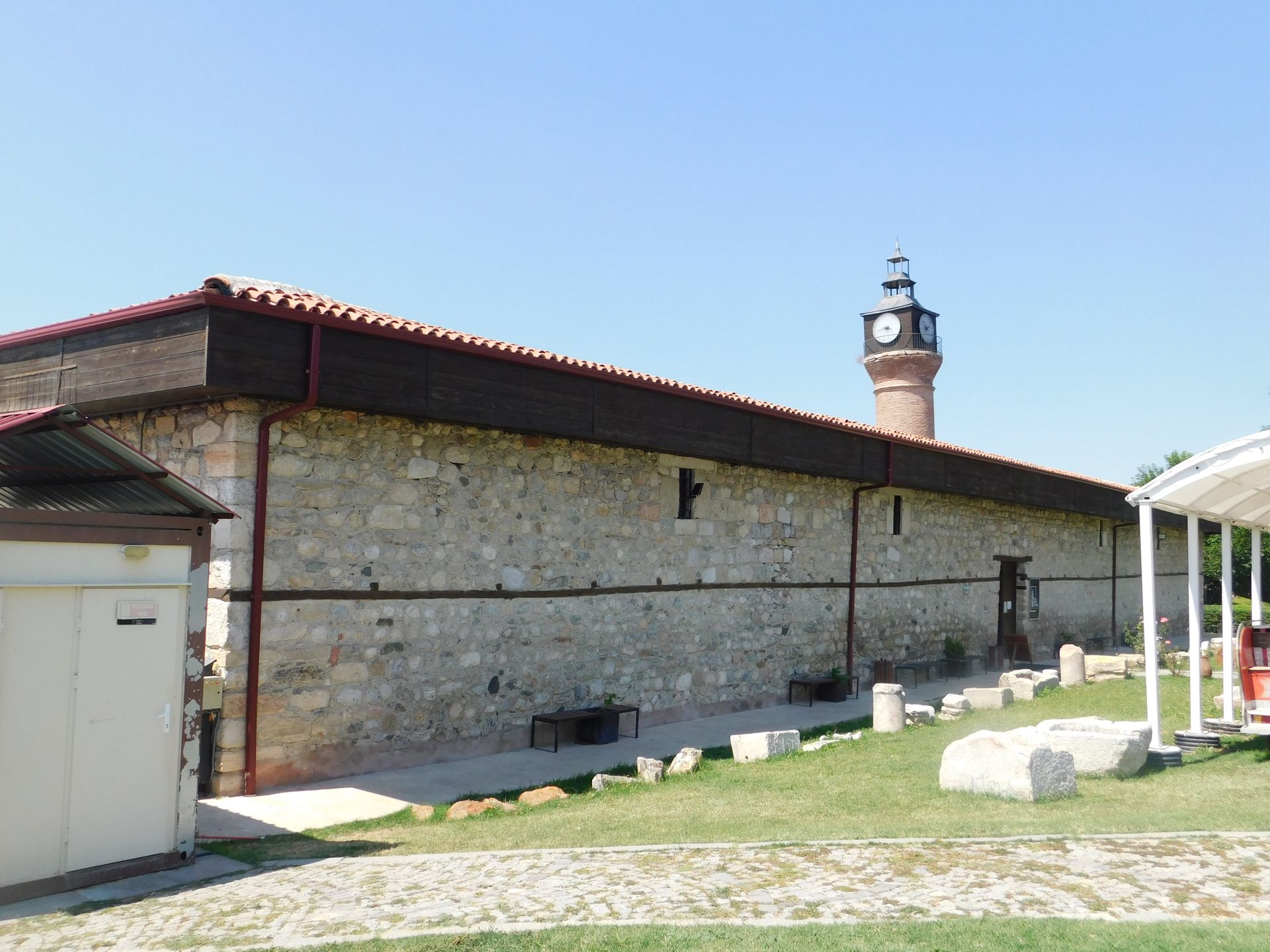
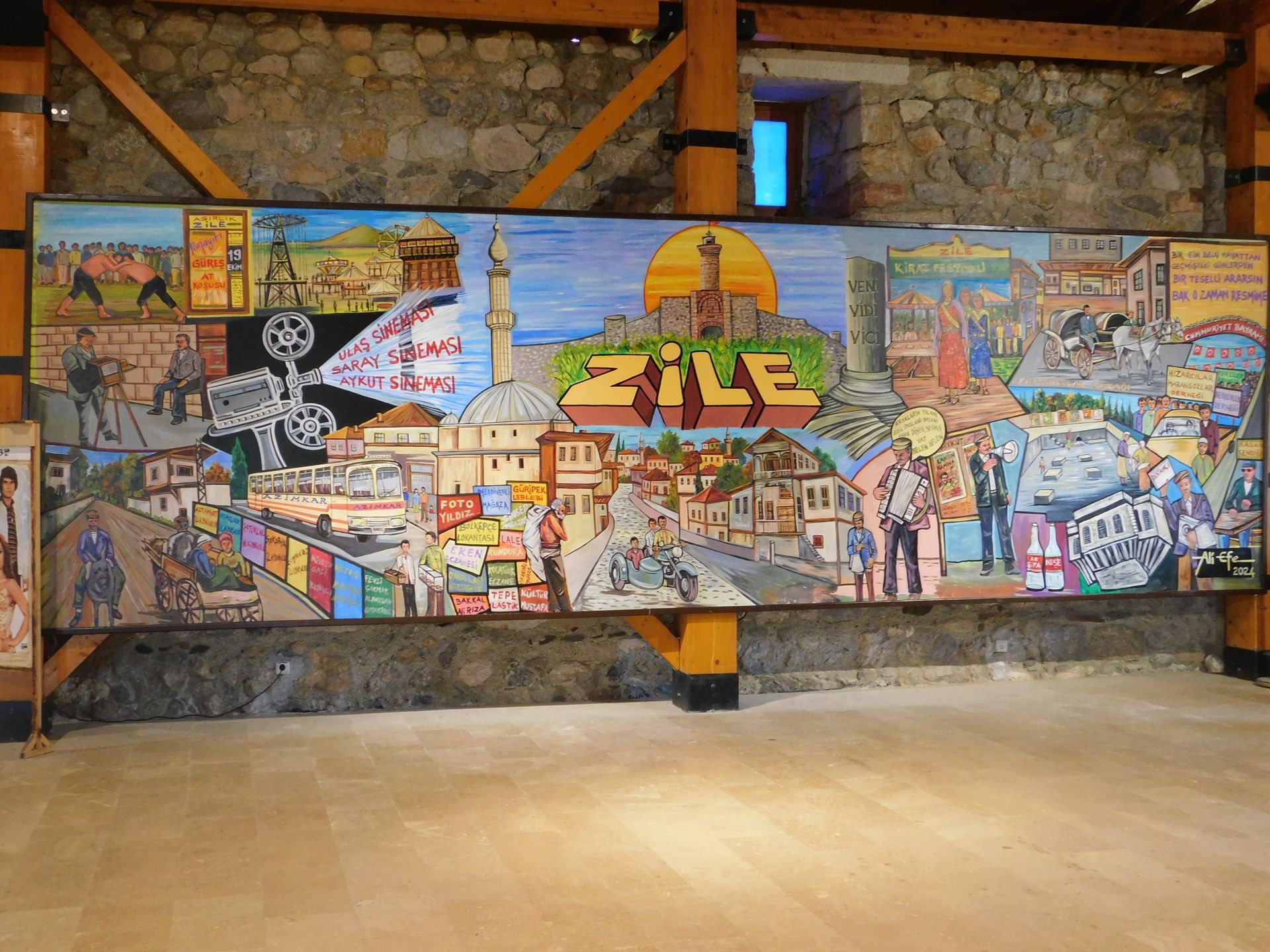
Zile is a historic town with a strong identity and a slower pace. Its name is often associated with ancient history, while its food culture is especially recognized for grape products. Zile pekmezi—grape molasses—is a classic item to taste or take home.
Pekmez can be enjoyed with breakfast foods, yogurt, tahini, or pastries. Look for a product with clear labeling and ask how it was made. Small producers may offer different thicknesses and levels of sweetness.
While exploring Zile, combine a market visit with a walk through historic streets and a relaxed meal. The town is best approached as a place to observe everyday life, not simply as a checklist of monuments.
Niksar
Niksar is known for its history, water, orchards, and walnuts. Niksar walnuts are a particularly appealing souvenir because they travel well and can be used in desserts, salads, breakfasts, and savory dishes.
The town’s historic character also rewards a walking visit. Look for local bakeries, tea gardens, and shops selling regional products. If you enjoy food photography, ask before photographing vendors or customers, and purchase something from small shops when possible.
How can you plan a Tokat food itinerary?
A three-day plan gives enough time to eat well without rushing between towns.
Day one: Tokat city
Explore the central area, visit a market, and have Tokat kebab for lunch or dinner. Use the evening for tea, dessert, and a relaxed walk through historic streets.
Day two: Ballıca Cave and countryside
Travel to Ballıca Cave National Park, allowing time for the cave visit and scenery. Return through the surrounding countryside, stopping for a simple meal or locally produced ingredients when available.
Day three: Zile and Niksar
Visit Zile for grape molasses and historic atmosphere, then continue toward Niksar for walnuts, local bakeries, and a slower town experience. Depending on road conditions and opening hours, you may need to select one town as the main stop.
For a longer trip, Tokat can be paired with other destinations in a customized Turkey tour . A private itinerary is useful if you want flexible meal times, market stops, or language support.
What should visitors know before eating in Tokat?
Regional travel is most enjoyable when you allow for variation. A restaurant may serve a specialty only on certain days, and a market may be busiest early in the morning. Keep your plans flexible and confirm transportation, opening hours, and attraction access locally.
Useful tips include:
- Carry Turkish lira for markets, small cafés, and rural stops.
- Ask about portion size before ordering several dishes.
- Try seasonal produce instead of expecting every specialty year-round.
- Mention allergies clearly and confirm ingredients more than once.
- Keep packaged foods sealed and labeled if you plan to bring them home.
Turkish meals can be generous, and sharing makes it easier to try more dishes. Bread, water, tea, and small side dishes may be served automatically, but ask whether extras are included in the final bill.
Is Tokat suitable for a culinary group tour?
Yes. Tokat works well for food-focused groups because meals can be shared, local products make appealing tasting stops, and nearby attractions provide variety between restaurant visits. Groups can combine a cooking demonstration, market walk, regional lunch, and visits to Ballıca Cave, Zile, or Niksar.
A guide can also help explain ingredients, translate questions, and identify authentic regional dishes. This is particularly valuable for travelers who want to meet producers or visit family-run establishments rather than rely only on tourist restaurants.
Travelers arriving from the United States may appreciate a planned itinerary with transportation and hotel coordination. Tropical Sails Corp can help design private tours and travel services around your interests, schedule, and preferred comfort level. Consider travel insurance for a multi-stop journey.
Tokat Turkey food guide: key takeaways
Tokat Turkey is a strong choice for foodies who want regional flavor, history, and nature in one manageable destination. Start with Tokat kebab, then look for Tokat çöreği, grape products, stuffed vegetables, and seasonal specialties. Add Ballıca Cave National Park for scenery, Zile for pekmez, and Niksar for walnuts and historic atmosphere. Plan flexible market and restaurant time, carry local currency, and ask residents where they eat. If you want to explore beyond the main highlights, compare a private or group itinerary and build the region into a broader Turkey vacation .